
The Evolution of Modern Hydration: Design, Function, and Everyday Wellness
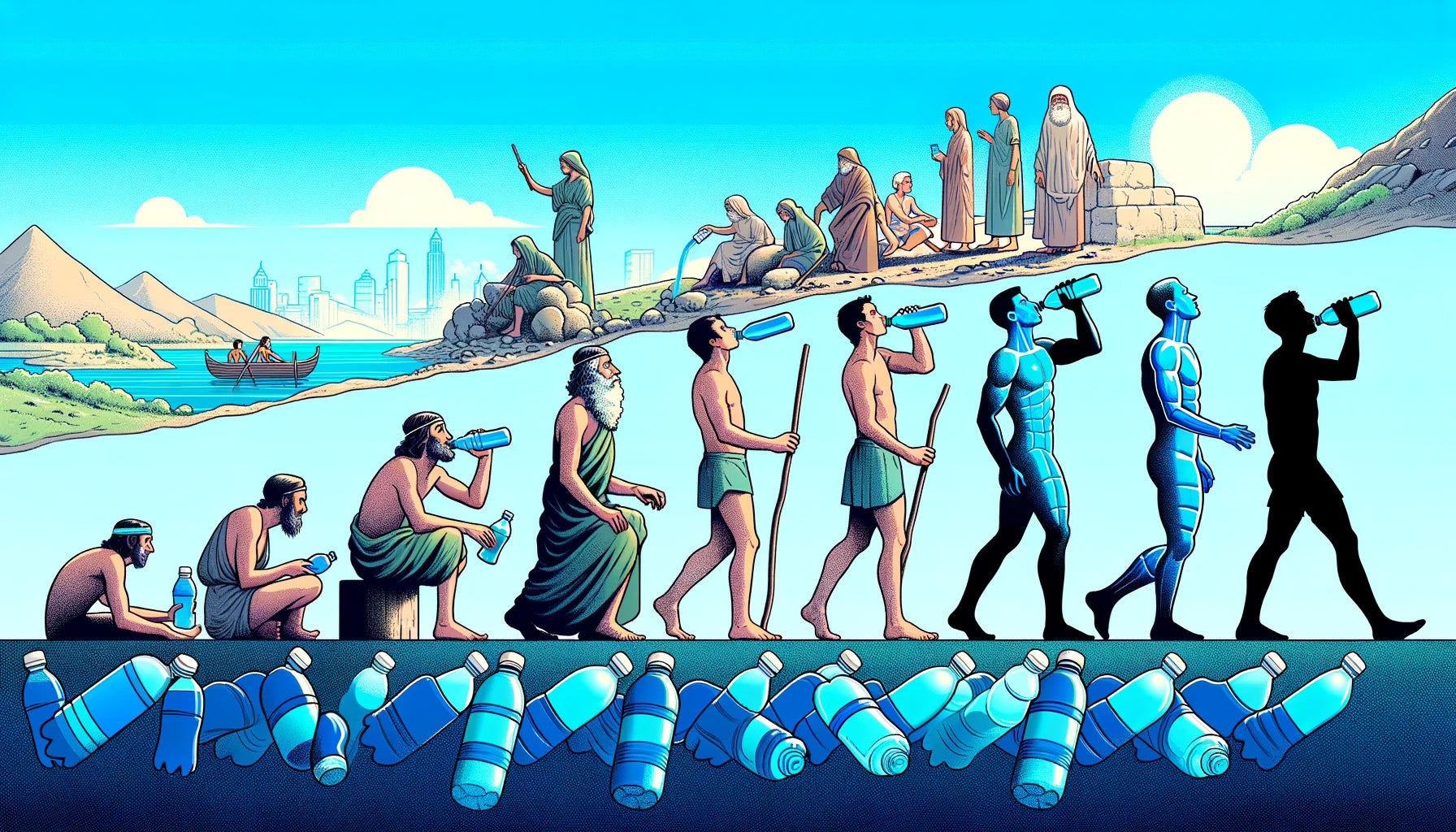
Hydration has always been essential to human health, but the way people consume and carry water has evolved significantly over time. What was once a purely functional necessity has become an intersection of health awareness, environmental responsibility, and product design. Today, water bottles are not just containers; they are daily companions that reflect lifestyle choices, personal values, and usability expectations.
As people become more conscious of wellness and sustainability, the demand for sleek water bottles has grown.This shift reflects a broader movement toward products that combine practicality with visual appeal. Rather than choosing items solely for utility, consumers now seek solutions that fit seamlessly into their routines, workspaces, and personal aesthetics.
Understanding the Role of Hydration in Daily Life
Water plays a foundational role in nearly every bodily function. From regulating temperature to supporting digestion and cognitive performance, adequate hydration directly affects overall well-being. Despite this knowledge, many people still struggle to maintain consistent water intake throughout the day.
One major reason is convenience. When hydration tools are easy to use, portable, and visually appealing, individuals are more likely to keep them nearby. This is where modern bottle design becomes influential not by marketing promises, but through practical usability that supports healthier habits.
Key Benefits of Proper Hydration
Consistent hydration offers measurable benefits that extend beyond physical health:
- Improved concentration and mental clarity
- Better digestion and nutrient absorption
- Enhanced physical endurance
- Healthier skin and metabolic balance
By integrating hydration into daily routines through accessible tools, these benefits become easier to maintain over time.
The Shift from Utility to Thoughtful Design
Traditional water containers focused almost entirely on storage capacity. While functional, they often lacked comfort, durability, or visual appeal. Modern consumers, however, expect more from everyday products, including ergonomic handling, material safety, and design consistency.
This evolution mirrors changes in other daily-use items, such as backpacks, kitchenware, and wearable accessories. Design is no longer a luxury it is an expectation. Water bottles are now shaped by how people live, work, and move throughout the day.
Why Design Matters More Than Ever
Thoughtful design improves both experience and consistency. When a product feels good to use, people naturally use it more often. Design considerations commonly include:
- Comfortable grip and balanced weight
- Leak-resistant construction
- Compatibility with bags, holders, and desks
- Minimalist or modern visual styling
Each of these elements contributes to long-term usability rather than short-term novelty.
Material Choices and Their Practical Impact
The materials used in water bottles significantly affect safety, durability, and taste. Modern manufacturing has expanded options far beyond basic plastic, offering materials designed to align with health and sustainability goals.
Common Materials and Their Characteristics
Different materials serve different user needs:
- Stainless steel: Durable, temperature-retaining, and resistant to odors
- Glass: Clean taste and chemical-free, though heavier and fragile
- BPA-free plastics: Lightweight and affordable with improved safety standards
Selecting the right material often depends on lifestyle factors such as travel frequency, work environment, and personal preference.
Sustainability and Responsible Consumption
Environmental awareness has become a major influence on purchasing decisions. Single-use plastic bottles contribute significantly to global waste, prompting many individuals to seek reusable alternatives. While sustainability is a broad concept, small daily choices can have a cumulative impact.
Reusable water bottles support environmentally responsible habits by reducing dependency on disposable containers. Over time, this shift not only lowers waste but also encourages a more mindful approach to consumption.
Practical Environmental Benefits
Using reusable hydration solutions helps:
- Reduce plastic waste in landfills and oceans
- Lower carbon emissions associated with manufacturing and transport
- Promote long-term cost efficiency
These outcomes align personal convenience with broader environmental responsibility, making sustainability an accessible goal rather than an abstract ideal.
Hydration at Work, Travel, and Daily Movement
Modern lifestyles often involve frequent transitions between home, work, commuting, and social activities. Hydration tools must adapt to these environments without becoming burdensome. Size, portability, and durability all influence how easily a bottle fits into daily movement.
In professional settings, subtle design and quiet functionality are valued. In travel or outdoor contexts, sturdiness and insulation become more important. The best hydration solutions balance these needs without requiring constant adjustment.
Features That Support Active Lifestyles
Useful features often include:
- Secure lids to prevent spills
- Insulated walls for temperature control
- Easy-clean openings for hygiene
- Lightweight construction for portability
When these features work together, hydration becomes effortless rather than intentional.
The Psychology of Everyday Objects
People often underestimate how much everyday objects influence habits. Items that are visually pleasing and easy to use tend to remain visible and accessible, reinforcing repeated behavior. A well-designed water bottle placed on a desk or in a bag becomes a silent reminder to drink more water.
This psychological effect is subtle but powerful. Rather than relying on reminders or tracking apps, the physical presence of a familiar object can naturally encourage healthier choices.
Maintenance, Hygiene, and Long-Term Use
Durability alone does not determine longevity. Ease of cleaning and maintenance also play a critical role in whether a product remains part of daily life. Bottles that are difficult to clean often fall out of use, regardless of their initial appeal.
Wide-mouth openings, removable components, and dishwasher-safe materials simplify maintenance. These features support consistent hygiene without adding extra effort to busy routines.
Choosing the Right Hydration Solution for Your Needs
Selecting a water bottle is ultimately a personal decision shaped by routine, environment, and preference. Rather than focusing on trends, users benefit most from evaluating how a bottle fits into their daily habits.
Questions worth considering include:
- How often will it be carried throughout the day?
- Will it be used indoors, outdoors, or both?
- Is temperature retention important?
- How much maintenance is acceptable?
Answering these questions helps ensure long-term satisfaction rather than short-term appeal.
Conclusion: Practical Design Meets Everyday Wellness
Hydration is one of the simplest yet most impactful wellness practices. When supported by thoughtful design and responsible material choices, it becomes easier to maintain without conscious effort. Products that align usability, aesthetics, and sustainability naturally integrate into daily routines.
As more people prioritize wellness and mindful consumption, sleek water bottles continue to represent this balance between function and form.
By choosing hydration tools that support comfort, consistency, and long-term use, individuals can make small changes that contribute to healthier habits and more sustainable lifestyles.
FAQs
1. Why is reusable hydration equipment becoming more popular?
Reusable hydration tools align with growing awareness of health and environmental responsibility. They reduce reliance on disposable plastics, offer long-term cost savings, and support consistent hydration habits through improved convenience and design.
2. How does bottle design influence daily water intake?
Design affects behavior by making hydration more accessible and appealing. Comfortable grip, leak-proof lids, and visual appeal encourage users to keep bottles nearby, increasing the likelihood of regular water consumption throughout the day.
3. Are modern materials safer than older plastic bottles?
Yes, advancements in materials have improved safety standards. Many modern bottles use BPA-free plastics, stainless steel, or glass, reducing chemical exposure and improving durability compared to older, lower-quality plastics.
4. What features matter most for long-term use?
Durability, ease of cleaning, portability, and leak resistance are key. Bottles that balance these features tend to remain part of daily routines, while those requiring frequent maintenance often get replaced or abandoned.
5. How can hydration tools support sustainable living?
By reducing single-use plastic waste and encouraging reuse, hydration tools support environmental goals. Over time, consistent use helps lower waste production while promoting mindful consumption and healthier daily habits.