
Keeping Your Joints Healthy For an Active Lifestyle
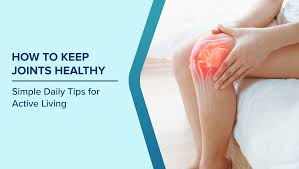
Old age means you have to be ready for joint pain if your lifestyle is healthy. Joints are the key to your body movements, and keeping them strong means you have a lower likelihood of injury, and eases the pain. Exercises prepare the foundation for sustained joint health.
Joints are essential links between bones that allow movement and bear our body weight daily. Over time and with age, the body’s joints and surrounding soft tissue may become less favorable due to physical stress on the joints, which can then lead to injury from even minor stress or load. The support tissue for your joints includes the ligaments, tendons and muscles that support your joints.
Optimal Guidelines for Joint Friendly Exercises
Particularly good at reinforcing joints without putting needless strain are low-impact activities. Being easy on the joints, alternatives like swimming, bicycling, and utilizing an elliptical offer great cardiovascular advantages. To further enhance joint stabilizers, strength training concentrates on the muscles that support joints, therefore helping to reduce injury.
Exercise for Beginners
If you’re a beginner, it’s critical that you start out easy with gentle, low joint-impact activities. Exercises that will actually strengthen the joints include, even very light, stretching and low-impact aerobic activity such as walking or swimming can be good starters. Bodyweight or resistance band strengthening exercises, also, build muscle without excessive loading of the joints Example strength exercise for beginner will include: wall pushups, squats and lunges.
Incorporating balance and core strengthening activity, planks or very basic yoga postures, also helps with joint stability too. When establishing a viable exercise habit, endurance will be more productive than intensity in the early stages for beginners.
Strength Training to Support Joint Health
Strength training provides more than just increased muscle—you can also sustain joint integrity and bone density. All exercise is beneficial towards preserving joint integrity. Specific exercises targeting the hips, legs, and core are particularly effective since these areas are critical for mobility, affecting things like sitting and standing. Resistance training two to three times a week should increase physical activity while decreasing joint stress. Ultimately, proper technique is essential if you wish to mitigate stress on your joints. If you are a beginner, I would seek out help or materials that will introduce you to proper methods and engage more resistance as your strength increases.
Cardiovascular Exercise for Joint Lubrication
Low-impact cardio activities help to keep joints healthy by boosting internal lubrication and blood flow. This improves movement and helps to reduce stiffness. Excellent choices are swimming and bicycling since the buoyancy of water and smooth pedaling action reduce joint shock. Regular aerobic exercise helps with weight control as well; this is absolutely vital since too much weight stresses joints—especially in the lower body.
Flexibility and Balance Exercises
For joint health and injury prevention, it is necessary to increase flexibility and balance. Increasing the range of motion and lowering the tension around the joints are both benefits of stretching exercises. Yoga and tai chi are practices that include balance training, hence enhancing coordination and muscular control. For seniors, especially, since improved balance lowers the risk of falls and associated joint injuries, this is really crucial. Beginners will benefit most from these low-risk exercises, which may be modified to fit different levels of fitness.
Additional Resources for Beginners
For more complex exercise plans created just for novices, ravoke.com provides a wealth of material and advice to begin a joint-friendly workout safely. Minimizing joint strain, their thorough curriculum offers step-by-step directions to increase strength, flexibility, and balance. Beginners who investigate expert recommendations and video courses will be able to maintain their motivation and exercise properly to preserve their joints.
In summary, it is possible, and you should, build strong joints through proper exercise. To start with an exercise program that is joint safe and that includes specific exercise for beginners that develops strength, flexibility, balance and cardiovascular fitness will increase positive movement in your future along with everyday health. Encouragement of a steady, incremental approach starting now is given to beginners, together with the use of tools such as ravoke.com for help and education.
This thorough tutorial stresses the need for beginner-friendly, low-impact, balanced activities to improve general fitness and joint health.