
Vertical Roller Mill Vibration Issues: 5-Step Diagnostic Guide
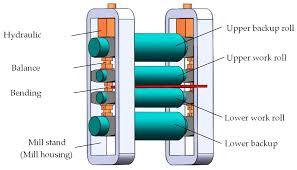
The Vertical roller mill has revolutionized grinding in the cement, mining, and energy sectors. Its ability to handle large capacities with low energy use makes it a favorite among plant operators. But like any complex machinery, it can develop problems — and one of the most common is vibration.
Excessive vibration isn’t just annoying; it can lead to poor product quality, reduced efficiency, and costly downtime. In extreme cases, it can damage critical components and shorten the lifespan of your Vertical roller mill. This is especially true for Coal vertical roller mills, where fine-tuned operation is essential for safe and efficient processing.
In this guide, we’ll break down the five steps you can take to diagnose and solve vibration problems — and how Cementl’s expertise can help keep your mill running smoothly.
Why Vibration Happens in a Vertical Roller Mill
Vibration in a Vertical roller mill can be caused by multiple factors, often working together:
- Material feed issues (inconsistent or oversized feed)
- Worn or misaligned grinding parts
- Imbalance in the grinding table or rollers
- Improper mill settings
- Poor maintenance practices
For Coal vertical roller mills, controlling vibration is even more important because uneven grinding can affect combustion efficiency and safety.
Step 1: Inspect Material Feed and Size
One of the first things to check is whether the feed material is consistent in size and moisture.
- Too coarse: Large particles cause uneven grinding and imbalance.
- Too wet: Excess moisture can create sticky build-ups that lead to vibration.
Pro Tip: Install a reliable pre-crusher or screening system to ensure only suitable material enters the Vertical roller mill.
Step 2: Check Rollers and Table Condition
Rollers and the grinding table are in constant contact with abrasive materials, so wear is inevitable.
- Flat spots or uneven surfaces can cause the rollers to “bounce,” creating vibration.
- Worn-out liners or segments reduce grinding efficiency and stability.
Brands like Cementl offer high-durability wear parts specifically designed for Coal vertical roller mills, ensuring smoother operation and longer service life.
Step 3: Balance the Grinding Components
An unbalanced grinding table or roller assembly will create constant vibration. This imbalance can be caused by:
- Uneven wear patterns
- Improper installation of new parts
- Foreign objects trapped inside the mill
Pro Tip: Always follow OEM torque and alignment specifications during maintenance to avoid introducing imbalance.
Step 4: Optimize Mill Operating Parameters
The settings on your Vertical roller mill — including grinding pressure, classifier speed, and airflow — can make or break stability.
- Too much grinding pressure increases vibration.
- Improper airflow disrupts material circulation.
For Coal vertical roller mills, airflow control is especially critical to prevent dust build-up and maintain consistent fuel quality.
Step 5: Implement a Preventive Maintenance Program
Many vibration issues are preventable with regular checks:
- Schedule inspections for rollers, liners, and bearings.
- Monitor vibration readings and keep records to spot trends.
- Keep lubrication systems in top shape to avoid friction-induced vibration.
Cementl offers tailored maintenance solutions and replacement parts for both cement and coal grinding applications, helping plants prevent costly breakdowns.
When to Call in the Experts
If you’ve gone through these five steps and still face persistent vibration issues, it may be time for a full diagnostic audit. Specialized service teams — like those from Cementl — can use vibration analysis tools, thermal imaging, and laser alignment checks to identify hidden problems.
The Cost of Ignoring Vibration Problems
Running a Vertical roller mill with excessive vibration can lead to:
- Increased wear on rollers, table, and bearings
- Reduced grinding efficiency
- Higher energy consumption
- Unexpected shutdowns
For Coal vertical roller mills, ignoring vibration can also create safety hazards due to unstable combustion conditions.
Final Thoughts
Vibration in a Vertical roller mill isn’t something to ignore. By following this 5-step diagnostic guide, you can quickly identify root causes, correct them, and keep your mill performing at its best.
Whether you’re running a cement mill or Coal vertical roller mills, precision, maintenance, and quality parts make all the difference. With Cementl’s expertise and durable components, you can reduce vibration, improve efficiency, and extend your equipment’s lifespan.