
Creating Effective Emergency Response Plans
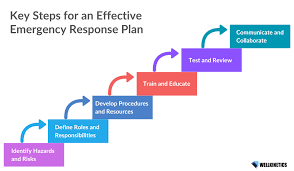
Emergency response plans (ERPs) are critical frameworks that organizations develop to prepare for, respond to, and recover from various emergencies. These plans serve as a roadmap, guiding individuals and teams through the chaos that often accompanies unexpected events. The significance of having a well-structured ERP cannot be overstated; it not only enhances the safety of employees and stakeholders but also minimizes potential damage to property and resources.
In an era where natural disasters, technological failures, and security threats are increasingly prevalent, the need for a robust emergency response strategy is more pressing than ever. An effective ERP provides clarity and direction during crises, ensuring that everyone knows their roles and responsibilities. This clarity is essential in high-stress situations where confusion can lead to delays and miscommunication.
For instance, during a fire evacuation, a well-documented plan can guide employees to the nearest exits and assembly points, reducing panic and ensuring that everyone is accounted for. Moreover, ERPs can help organizations comply with legal and regulatory requirements, as many industries are mandated to have emergency protocols in place. By investing time and resources into developing a comprehensive ERP, organizations not only protect their personnel but also safeguard their reputation and operational continuity.
Identifying Potential Risks and Hazards
The first step in creating an effective emergency response plan is identifying potential risks and hazards that could impact an organization. This process involves a thorough assessment of both internal and external factors that could lead to emergencies. Internal risks may include equipment failures, workplace accidents, or health-related incidents, while external risks could encompass natural disasters such as earthquakes, floods, or severe weather events.
Additionally, organizations must consider human-made threats like cyberattacks or acts of violence. A comprehensive risk assessment allows organizations to prioritize their response strategies based on the likelihood and potential impact of each identified hazard and solution, such as spills and having quality Australian safety mats. To effectively identify these risks, organizations can employ various methodologies, including brainstorming sessions, surveys, and historical data analysis.
Engaging employees from different departments can provide diverse perspectives on potential hazards that may not be immediately apparent to management. For example, a manufacturing facility might face unique risks related to machinery operation that office-based employees may overlook. Furthermore, organizations should regularly review and update their risk assessments to account for changes in operations, technology, or the external environment.
By maintaining an up-to-date inventory of potential risks, organizations can ensure that their emergency response plans remain relevant and effective.
Establishing Clear Communication Protocols
Effective communication is a cornerstone of any successful emergency response plan. During a crisis, timely and accurate information dissemination can significantly influence the outcome of the situation. Establishing clear communication protocols ensures that all stakeholders—employees, management, emergency responders, and even the public—are informed about the nature of the emergency and the actions being taken.
This involves defining communication channels, identifying key personnel responsible for relaying information, and determining the methods of communication that will be used. Organizations should consider multiple communication methods to reach individuals in various situations. For instance, while email may be effective for routine updates, it may not be suitable during an active shooter situation where immediate alerts are necessary.
In such cases, text messaging systems or loudspeaker announcements may be more appropriate. Additionally, organizations should establish a hierarchy of communication to prevent misinformation from spreading during a crisis. Designating specific individuals as spokespersons can help maintain consistency in messaging and reduce confusion among employees.
Regular drills that simulate emergencies can also help reinforce these communication protocols, ensuring that everyone knows how to respond when it matters most.
Training and Educating Employees
Just like having an inclusive leadership program for men, training and education are vital components of an effective emergency response plan. Employees must be well-informed about the procedures they need to follow during an emergency to ensure their safety and the safety of others. This training should encompass various aspects of the ERP, including recognizing potential hazards, understanding evacuation routes, and knowing how to use emergency equipment such as fire extinguishers or first aid kits.
Regular training sessions not only enhance employees’ knowledge but also build confidence in their ability to respond effectively during a crisis. Moreover, organizations should tailor their training programs to address the specific needs of different employee groups. For example, frontline workers in high-risk environments may require more extensive training on handling hazardous materials or operating safety equipment than office staff.
Incorporating hands-on training exercises can further reinforce learning by allowing employees to practice their skills in realistic scenarios. Additionally, organizations should encourage a culture of safety where employees feel empowered to voice concerns about potential hazards or suggest improvements to existing emergency protocols. By fostering an environment of open communication and continuous learning, organizations can enhance their overall preparedness for emergencies.
Developing Evacuation and Shelter-in-Place Procedures
A critical aspect of any emergency response plan is the development of clear evacuation and shelter-in-place procedures. These procedures outline the steps employees should take during various emergencies, such as fires, severe weather events, or active shooter situations. Evacuation procedures should include designated exit routes, assembly points outside the building, and protocols for accounting for all personnel after an evacuation.
It is essential that these procedures are communicated effectively to all employees through training sessions and visual aids such as maps posted throughout the workplace. In contrast, shelter-in-place procedures are necessary for situations where evacuation may not be safe or feasible. This could include scenarios such as chemical spills or severe weather events like tornadoes.
Organizations must identify safe areas within their facilities where employees can take refuge until it is safe to leave. These areas should be equipped with necessary supplies such as food, water, first aid kits, and communication devices to keep employees informed about the situation outside. Regular drills that simulate both evacuation and shelter-in-place scenarios can help ensure that employees are familiar with these procedures and can execute them efficiently under pressure.
Securing Necessary Resources and Equipment
An effective emergency response plan requires access to necessary resources and equipment that can facilitate a swift response during a crisis. Organizations must conduct an inventory of essential supplies such as first aid kits, fire extinguishers, emergency lighting, communication devices, and personal protective equipment (PPE). Ensuring that these resources are readily available and properly maintained is crucial for effective emergency management.
For instance, expired first aid supplies or malfunctioning fire extinguishers can hinder response efforts when every second counts. In addition to physical resources, organizations should also consider technological tools that can enhance their emergency response capabilities. This may include software for incident reporting, communication platforms for real-time updates during emergencies, or systems for tracking employee locations during evacuations.
Collaborating with local emergency services can also provide organizations with insights into additional resources they may need or best practices for securing equipment tailored to specific risks in their area. By proactively securing these resources and ensuring they are easily accessible during emergencies, organizations can significantly improve their response effectiveness.
Testing and Revising the Plan Regularly
The effectiveness of an emergency response plan is contingent upon regular testing and revision. Organizations should conduct drills at least annually to evaluate how well employees understand the procedures outlined in the ERP. These drills can take various forms—tabletop exercises that simulate decision-making processes or full-scale evacuations that test physical responses to emergencies.
After each drill, it is essential to conduct a debriefing session where participants can discuss what went well and identify areas for improvement. In addition to drills, organizations should continuously review their emergency response plans in light of new information or changes within the organization or its environment. For example, if a new building is added to the campus or if there are changes in personnel or operations that could affect emergency procedures, the ERP must be updated accordingly.
Engaging employees in this review process can provide valuable insights into potential gaps in the plan or areas where additional training may be needed. By fostering a culture of continuous improvement regarding emergency preparedness, organizations can ensure they remain resilient in the face of evolving threats.
Collaborating with Local Authorities and Emergency Services
Collaboration with local authorities and emergency services is a vital component of an effective emergency response plan. Establishing relationships with local fire departments, police forces, and medical services can enhance an organization’s preparedness by providing access to expert knowledge and resources during emergencies. These partnerships allow organizations to gain insights into community-specific risks and best practices for responding to various scenarios.
Moreover, involving local authorities in the planning process can facilitate coordinated responses during actual emergencies. For instance, conducting joint training exercises with local emergency responders can help familiarize both parties with each other’s protocols and capabilities. This collaboration ensures that when an emergency occurs, there is a clear understanding of roles and responsibilities among all involved parties.
Additionally, local authorities may offer resources such as training programs or access to specialized equipment that can further bolster an organization’s emergency preparedness efforts. By fostering strong relationships with local emergency services, organizations can enhance their overall resilience in times of crisis.