
How Texas Homeowners Can Make Smarter Roofing Decisions Before Small Problems Become Big Repairs
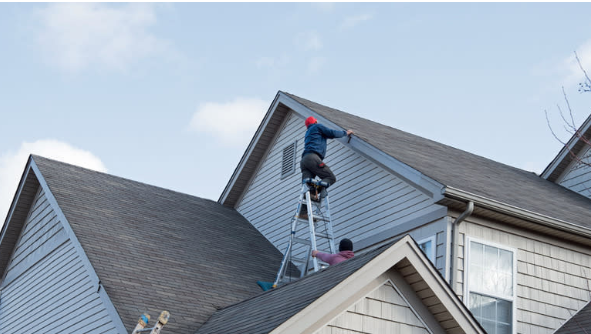
A roof rarely demands attention at a convenient time. Most homeowners think about it only after a stain appears on the ceiling, shingles show up in the yard, or a storm rolls through and leaves behind visible damage. By then, what could have been a manageable repair may have already turned into a more expensive project.
That is why the best roofing decisions usually happen before there is an emergency. A proactive approach helps homeowners protect their property, preserve curb appeal, and avoid the stress of last-minute fixes. In places where heat, wind, and storms all take a toll, understanding what to watch for can make a major difference.
Why Roofing Problems Often Go Unnoticed
One of the biggest challenges with roofing issues is that they do not always start in obvious ways. A roof can look mostly fine from the ground while still developing weak spots around flashing, vents, valleys, or aging shingles. Water intrusion may begin slowly, and by the time it becomes visible indoors, the damage may have already spread into insulation, decking, or interior finishes.
This is especially true for homeowners who assume that no leak means no problem. In reality, roofing systems age gradually. Sun exposure, temperature swings, heavy rain, and wind can all reduce performance over time. Even a well-installed roof needs occasional attention to keep it doing its job.
That is why homeowners benefit from thinking of roofing as a system rather than a single surface. Shingles matter, of course, but so do underlayment, ventilation, drainage, flashing details, and the condition of related exterior elements like gutters and siding.
The Warning Signs You Should Not Ignore
Roofing issues tend to give off clues before they become severe. The key is noticing them early and taking them seriously.
Here are some of the most common signs that it may be time for an inspection:
- Missing, cracked, or curling shingles
- Granules collecting in gutters or downspouts
- Water stains on ceilings or walls
- Sagging areas or uneven roof lines
- Damaged flashing around chimneys, skylights, or vents
- Higher indoor temperatures that may point to ventilation issues
- Moss, algae, or visible discoloration in certain sections
- Debris buildup that traps moisture on the roof surface
Not every sign means a full replacement is needed. Sometimes the solution is a targeted repair, improved ventilation, or maintenance that extends the life of the existing roof. The important thing is getting clear information before guessing or delaying action.
Why Local Conditions Matter More Than Many Homeowners Realize
Roofing is never one-size-fits-all. The right materials, installation methods, and maintenance schedule can vary depending on climate, neighborhood conditions, and even the design of the home itself.
For homeowners in Texas, roofing decisions often need to account for more than just rain. Heat exposure can age materials faster. Sudden storms can damage shingles, flashing, and gutters. Wind can loosen roofing components in ways that are not always visible from the ground. Homes in different parts of a metro area may also face different combinations of tree cover, drainage issues, sun exposure, and storm impact.
That is why working with professionals who understand local conditions is often more valuable than relying only on general internet advice. A homeowner might know the symptoms, but a qualified roofing specialist can connect those symptoms to the right solution. For a better sense of how region-specific roofing support and exterior services are approached, homeowners can review idealprecisionroofing.com as a practical example of the type of context that helps when evaluating next steps.
Repair or Replace? How to Think Through the Decision
Many homeowners worry that any roofing issue automatically leads to a recommendation for replacement. In reality, the best decision depends on several factors, and a thoughtful evaluation should weigh the full picture.
When a repair may make sense
A repair is often worth considering when:
- The damage is limited to one section
- The roof still has solid remaining life
- The issue was caused by a specific event, such as localized storm damage
- The structure beneath the roof is still in good condition
- Matching materials are available for a clean repair
When replacement may be the better long-term move
A replacement may be more practical when:
- The roof is nearing the end of its service life
- Problems are appearing in multiple areas
- Repeated repairs are adding up in cost
- There are widespread shingle, decking, or ventilation issues
- The homeowner wants better durability, efficiency, or curb appeal
The smartest decision is not always the cheapest option today. Sometimes a repair is the right move. Other times, repeated patchwork only postpones a larger issue. Homeowners benefit most when they receive a realistic assessment instead of a rushed sales pitch.
What Homeowners Should Ask Before Hiring a Roofing Contractor
Choosing a roofing contractor is just as important as choosing roofing materials. A strong project outcome depends on communication, workmanship, and a clear scope of work from the start.
Before moving forward, homeowners should ask questions such as:
- What exactly is causing the issue?
- Is this a repair, maintenance, or replacement situation?
- What materials are being recommended, and why?
- How will ventilation, flashing, and drainage be addressed?
- What kind of workmanship and material protections are available?
- Who will actually perform the work?
- What should I expect before, during, and after installation?
These questions help separate detailed professionals from vague promises. A trustworthy contractor should be able to explain the problem in plain language and outline the proposed solution without relying on pressure tactics.
The Value of Preventive Maintenance
Preventive maintenance does not need to be complicated to be effective. In fact, small habits can prevent major headaches.
A few smart practices include scheduling periodic roof inspections, especially after severe weather, keeping gutters clear, trimming overhanging branches, checking attic airflow, and paying attention to interior signs of moisture. Homeowners who stay ahead of small issues often avoid the disruption that comes with emergency repairs.
Maintenance also supports better budgeting. Instead of being surprised by a major roofing expense, homeowners can plan ahead, prioritize improvements, and make informed decisions on a timeline that works for them.
Conclusion
Roofing decisions are easier when they are made from a position of clarity instead of urgency. A home’s roof protects far more than shingles and decking. It protects comfort, energy performance, structural integrity, and peace of mind. When homeowners understand the warning signs, ask better questions, and take action early, they put themselves in a much stronger position.
The goal is not to overreact to every minor issue. It is to respond wisely, with the right information and the right level of support. That approach leads to fewer surprises, better long-term value, and a home that remains protected through every season.