
Smart Exterior Upgrades That Boost Home Value and Durability
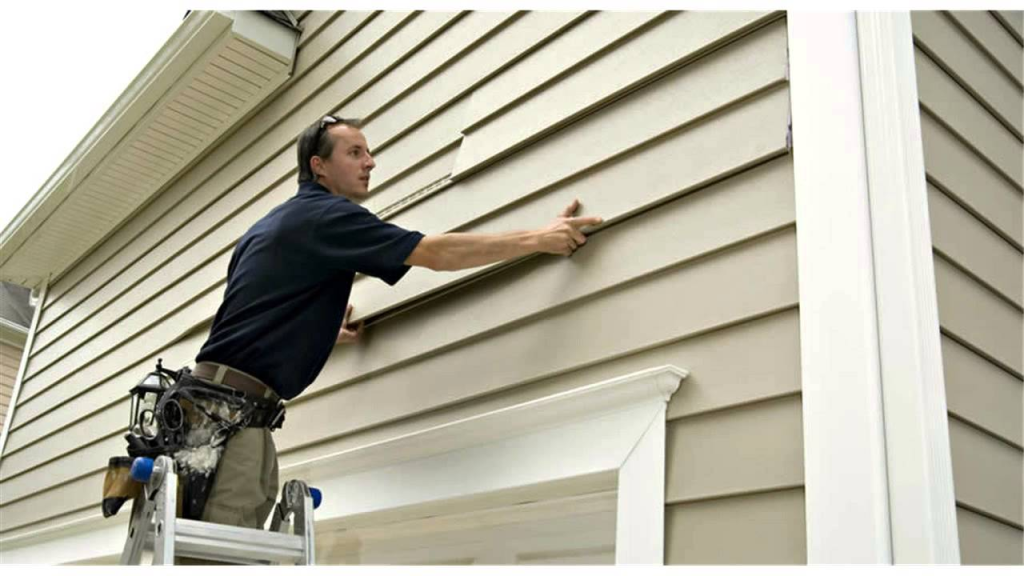
A home’s exterior does more than create a first impression—it protects everything inside. Whether you’re planning to sell in the future or simply want to improve long-term comfort, investing in strategic exterior upgrades can significantly enhance both durability and value. The key is knowing which improvements deliver the best return while standing up to changing weather conditions.
Below, we’ll break down practical, high-impact ways homeowners can strengthen their property’s exterior without overcomplicating the process.
Why Exterior Improvements Matter More Than You Think
Your home’s exterior acts as a shield against wind, rain, heat, and debris. Over time, even minor wear can turn into costly structural issues if left unaddressed. Beyond protection, exterior upgrades also influence energy efficiency, maintenance costs, and resale appeal.
Buyers and appraisers often assess these visible elements first:
- Roof condition
- Siding quality
- Drainage systems
- Windows and doors
Neglecting these areas can reduce property value, while smart upgrades can do the opposite—often with surprisingly strong returns.
Roofing: Your Home’s First Line of DefenseWhen to Repair vs. Replace
Roofing is one of the most critical exterior components. A small leak today can become major water damage tomorrow. If your roof is approaching the end of its lifespan, replacement may be more cost-effective than ongoing repairs.
Signs you shouldn’t ignore:
- Missing or curling shingles
- Water stains on ceilings
- Granules collecting in gutters
- Sagging areas
Modern roofing materials are designed for both durability and efficiency, offering better insulation and weather resistance than older systems.
If you’re exploring options or want a deeper understanding of roofing solutions, you can visit idealroofingandexteriors.com for additional context on services and materials that align with different home needs.
Siding Upgrades for Protection and Style
Siding isn’t just cosmetic—it plays a huge role in insulation and structural integrity. Old or damaged siding allows moisture infiltration, which can lead to mold and internal damage.
Popular Siding Options
- Vinyl siding: Affordable, low maintenance, and widely available
- Fiber cement: Durable and resistant to fire, pests, and rot
- Wood siding: Classic look but requires regular upkeep
- Engineered wood: Combines aesthetics with improved durability
Upgrading siding can dramatically improve curb appeal while also lowering heating and cooling costs.
Gutter Systems: Small Feature, Big Impact
Gutters are often overlooked until they fail. Their job is simple—direct water away from your home—but when they clog or break, the consequences can be serious.
Why Gutters Matter
Poor drainage can cause:
- Foundation cracks
- Basement flooding
- Landscape erosion
- Roof damage
Installing seamless gutters or adding gutter guards can reduce maintenance and extend the lifespan of your entire exterior system.
Energy-Efficient Windows and Doors
Windows and doors are common sources of energy loss. Replacing outdated units can immediately improve insulation and indoor comfort.
Benefits of Upgrading
- Lower energy bills
- Reduced drafts and temperature fluctuations
- Better noise insulation
- Increased home security
Look for double- or triple-pane glass and energy-rated materials that are designed for your local climate.
Exterior Maintenance Tips That Prevent Costly Repairs
Not every improvement requires a full replacement. Consistent maintenance can extend the life of your exterior features and delay major expenses.
Simple Maintenance Checklist
- Inspect your roof twice a year
- Clean gutters regularly
- Check for cracks in siding or caulking
- Power wash exterior surfaces annually
- Trim trees away from the house
These small actions can prevent larger structural issues and keep your home looking well-maintained year-round.
Choosing the Right Upgrade Strategy
Not all upgrades need to happen at once. The smartest approach is to prioritize based on urgency, budget, and long-term goals.
How to Prioritize
- Start with structural protection (roof, gutters)
- Address energy efficiency (windows, insulation)
- Enhance appearance (siding, finishes)
- Plan future upgrades strategically
This phased approach helps you spread out costs while still making meaningful improvements.
Conclusion: Invest Where It Counts
Your home’s exterior is more than just a visual feature—it’s a system that protects, insulates, and adds value. By focusing on high-impact upgrades like roofing, siding, and drainage, you can avoid costly repairs while improving comfort and resale potential.
The most effective improvements are those that balance durability, efficiency, and design. With the right strategy, you’re not just maintaining your home—you’re strengthening it for years to come.